
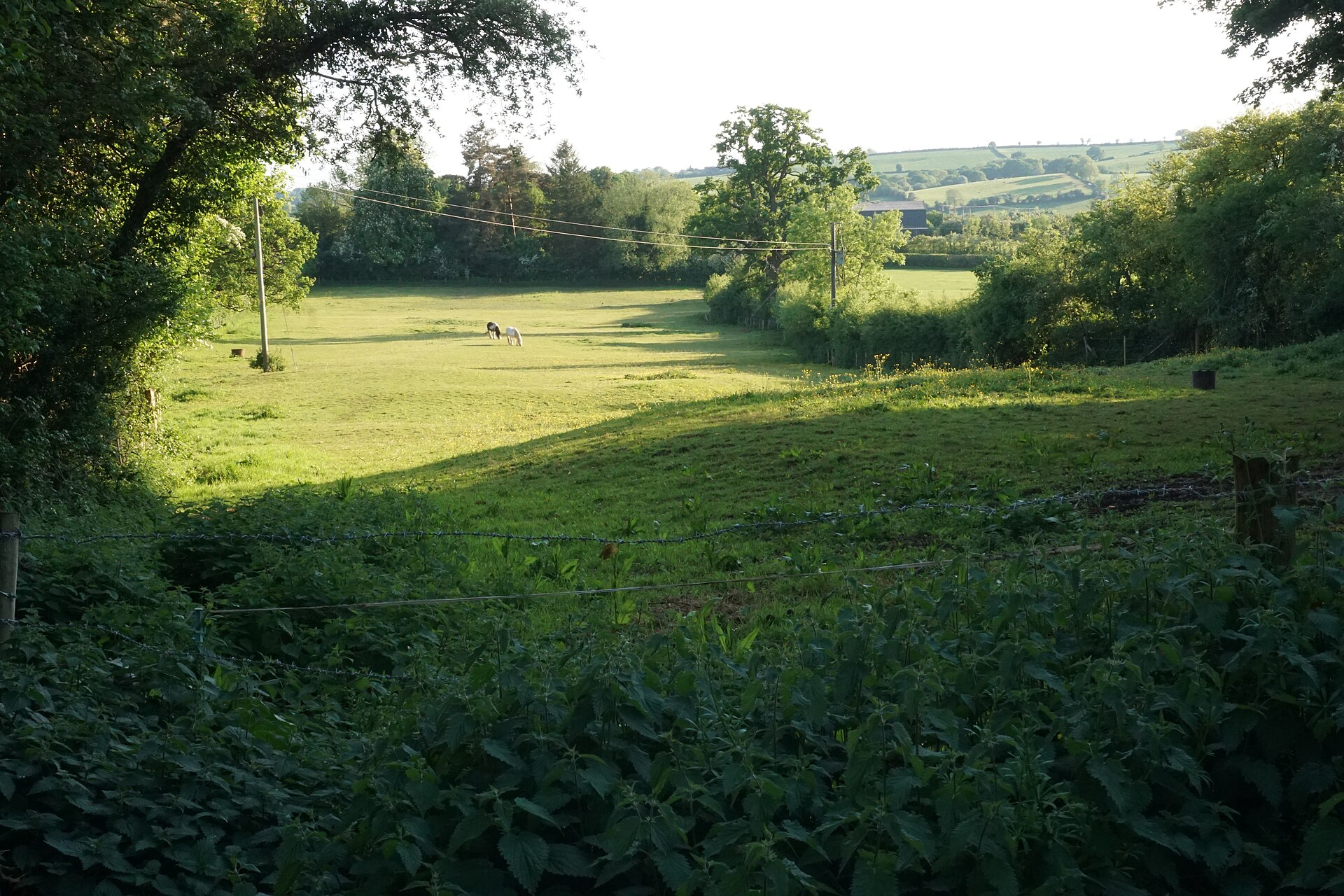
Think roughly a fiftieth of their weight each day.
A steady 500kg horse gets through something like 10kg of forage over a day. That climbs in the depths of winter when the grass has stopped, and eases off through summer when the paddock is doing the work for you. We’d always spread it across the day rather than tip it all in at once. Little and often sits kinder on the gut and gives a greedy feeder something to nibble at for longer.
- A cough or dusty lungs? Move onto our wrapped haylage, or steam the hay before it goes in the net.
- Holds condition too easily? A small-hole net stretches a feed out and keeps them busy.
- Watching sugars? Have a word with us. We can put a batch aside and send a sample off to be tested for you.
- Any change of forage is best eased in over a week to ten days, not overnight.
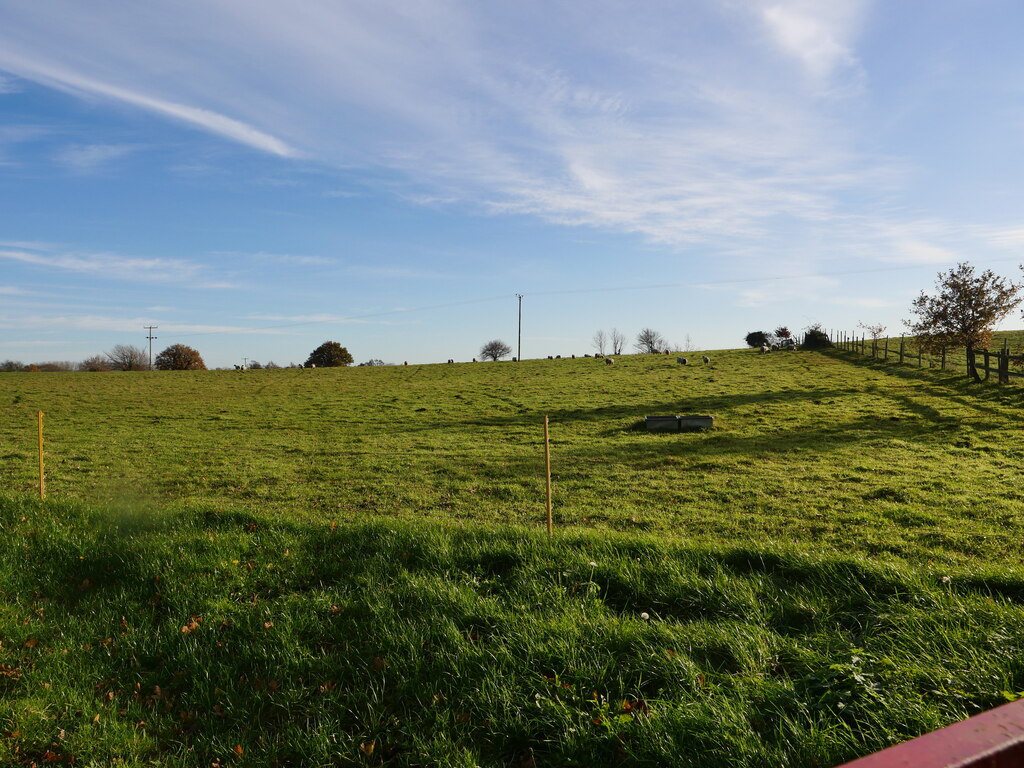
From ticking over to feeding for growth.
What a beast eats swings about with breed, weather, condition and whether it is in milk or still filling out, so treat any figure as a rough shape rather than a rule. As a place to begin, a dry cow will happily see off 12 to 14kg of decent hay in a day, and a ewe somewhere near 1.5 to 2kg.
- Round bales earn their keep in a ring feeder, with far less trodden into the mud than rolling one out.
- Haylage brings a bit more to the table for stock that are working harder.
- Clean water wants to be right there alongside whatever forage you put out.
- Read the animal, feel along the back and ribs, and let that guide you rather than the date on the calendar.
Alpacas, goats, pigs and donkeys.
Most of the smaller grazers thrive on a base of our sweet meadow hay. Donkeys in particular are better off with a plainer, lower-energy hay. The richer, sugarier haylage is usually more than they need and can tip them over.
For alpacas and goats, look for a leafy bale that is soft in the hand without a mass of stalk. Tell us what you are keeping and we will happily set aside a batch that suits.
Guinea pigs, bunnies and the hens.
Rabbits and guinea pigs want hay in front of them all the time. It is around 80% of what they should be eating, not a now-and-then treat, so reach for the soft, leafy, sweet-smelling bales. One small bale, kept dry, will see a pair of rabbits happily through several months.
Hens take to hay too, both as cosy bedding and as something to scratch and forage through, which is a real bonus once the winter grass thins out.
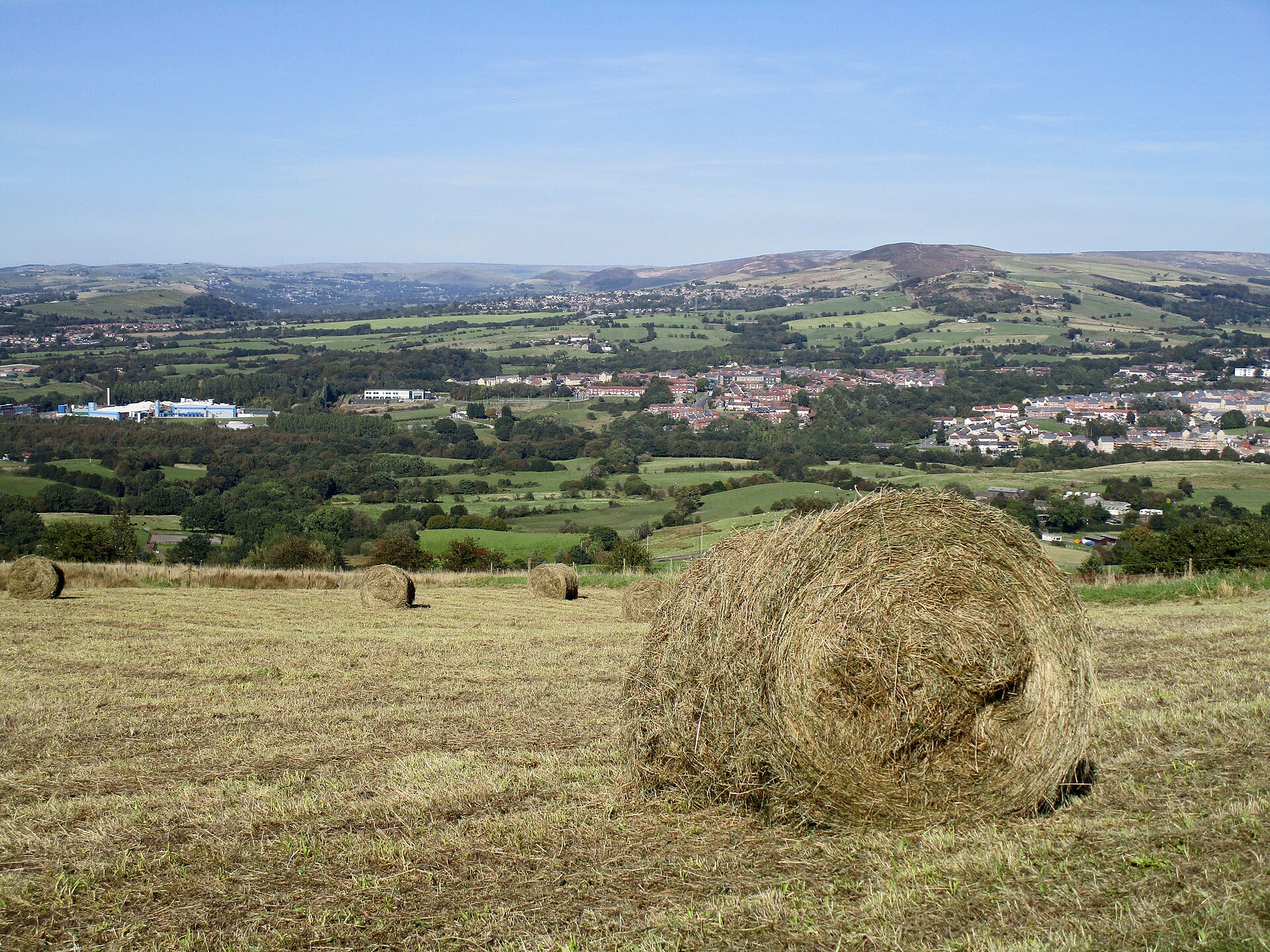
Looking after the bales once they reach you.
We put a lot of care into every bale before it leaves Sidlesham, so a little looking after at your end keeps it that way. A dry stack that can breathe will hold its colour, its smell and its goodness right through the season.
- Lift it clear of the floor. Sit the stack on pallets or boards. Bare concrete sweats and damp creeps up from underneath.
- Get a roof over it. A barn, an open shed or a properly sheeted stack all do the job, so long as the rain is kept off.
- Leave it room to breathe. Do not jam bales hard up against the walls. A little air moving round the stack goes a long way.
- With wrapped haylage, keep it off the ground and out of hot sun. Patch any nick in the wrap that same day, or plan to use those bales up within the week.
- Trust your nose. A sweet, meadowy smell is just right. If it turns sharp, musty or vinegary, give us a ring and we will always take a look.
Not sure which bale suits?
Tell us a little about your animals and we will point you to the right hay off our fields.